
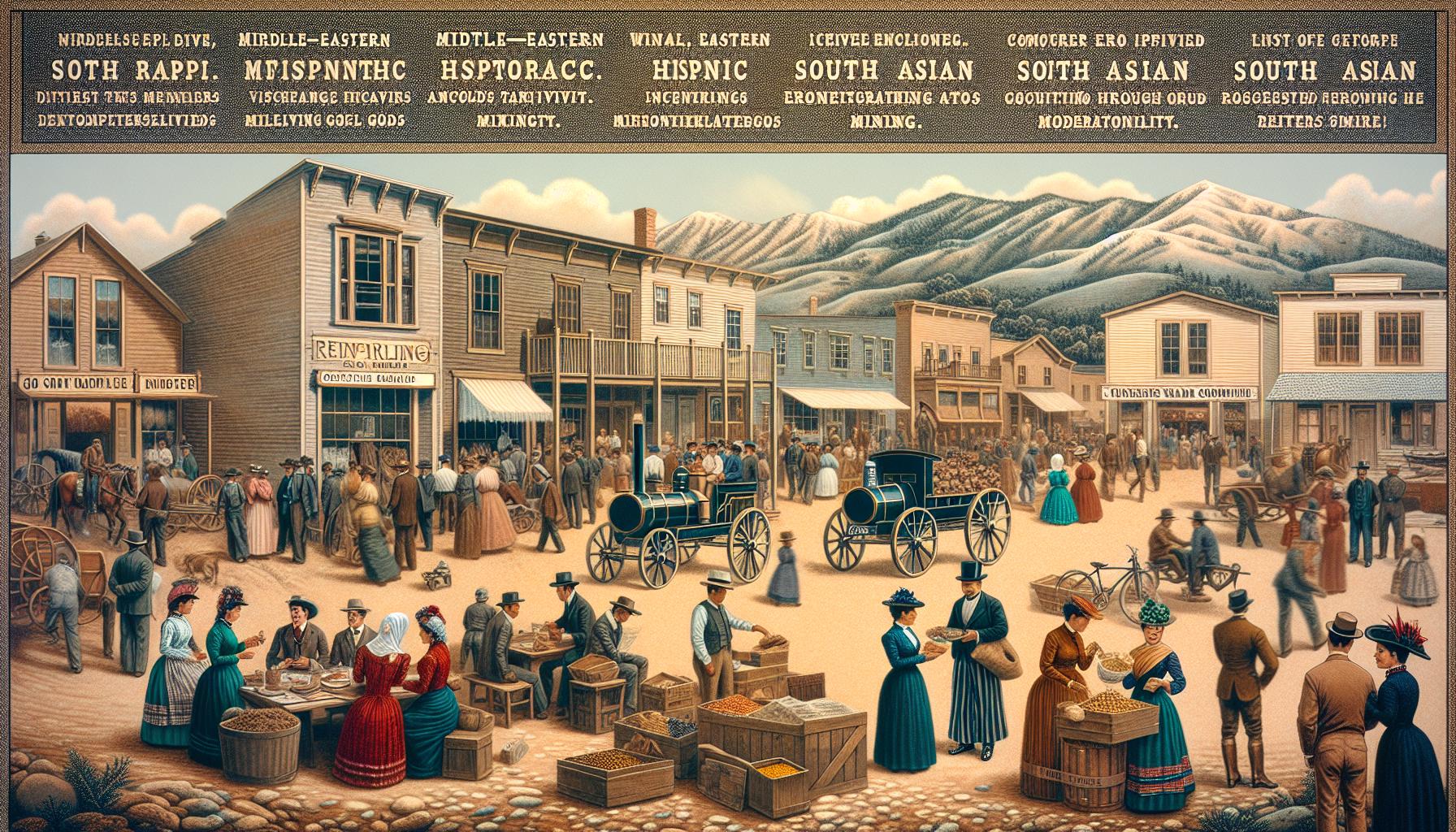
Imagine stepping back in time, to the mid-1800s, when California’s heart raced with the fever of the Gold Rush. That’s exactly what I’m diving into today, focusing on a place not often spotlighted in tales of that era: San Ramon. This area, now known for its suburban charm, had its own unique role during those wild times.
San Ramon, nestled in the San Ramon Valley, was a world apart from the chaotic goldfields. It was a place where adventurers and settlers passed through, some deciding to stay, drawn by the lush landscape and the promise of a different kind of wealth. Let’s explore how this serene spot was touched by the frenzy of the Gold Rush, shaping its history in ways that still resonate today.
San Ramon Valley: A Quiet Oasis
As I delved deeper into San Ramon’s story during the mid-1800s, I couldn’t help but marvel at its transformation. Amid the Gold Rush frenzy, San Ramon Valley emerged as a quiet oasis for many. Unlike the bustling goldfields that demanded every ounce of a person’s energy and luck, San Ramon offered a serene escape. I found it fascinating that this area, rich in lush landscapes and fresh air, became a haven for those seeking a break from the relentless pursuit of gold.
The valley’s attractiveness wasn’t just in its tranquility but also in the opportunities it presented. I learned that while prospectors swarmed to the nearby hills hoping to strike it rich, San Ramon Valley attracted settlers keen on agriculture and cattle farming. Its fertile soil and favorable climate allowed for a variety of crops and livestock, allowing these early residents to cultivate a different kind of wealth. It’s striking how the valley’s natural resources supported sustainable growth, starkly contrasting the boom-and-bust cycle of the goldfields.
For adventurers and settlers alike, the allure of San Ramon Valley lay not just in its economic potential but in its beauty and community spirit. I came across stories of social gatherings, community events, and a sense of camaraderie among the valley’s inhabitants. Despite the isolation from larger towns and the hardships of frontier life, the people of San Ramon Valley built a tight-knit community. They shared resources, offered support to one another, and celebrated their successes together. It’s this spirit, I believe, that truly defines the valley’s history during the Gold Rush era.
Notably, the impact of the Gold Rush on San Ramon’s development was significant. Infrastructure, such as roads and bridges, improved as the population grew, facilitating better connectivity with neighboring areas. Schools and churches were established, reflecting the community’s values and commitment to education and spiritual life. The influx of settlers also meant that San Ramon evolved from a quiet oasis into a bustling community, albeit one that maintained its charm and serenity despite the changes.
What intrigued me most in my research was how, even as the Gold Rush era waned, San Ramon Valley continued to flourish. The region’s adaptability and resilience are hallmarks of its history, qualities that remain evident in its modern-day identity.
Explorers and Settlers: The Early Days

When I first delved into the rich tapestry of San Ramon’s history, I was captivated by the tales of explorers and settlers who planted the seeds of community in the early days. The valley, known for its lush landscapes and friendly natives, became a beacon for those seeking a new beginning away from the turbulent Gold Rush.
I learned that the valley’s first European visitor was possibly an explorer working for the Mission San Jose in the late 18th century. His accounts of the area’s fertile land and abundant resources attracted the attention of early settlers and ranchers. It was fascinating to discover how these initial explorations laid the groundwork for what San Ramon would become.
By the 1830s, Mexican land grants were establishing large ranchos that fostered both agriculture and cattle farming. These ranchos were pivotal in San Ramon’s early development, as they became centers for community gathering and trade. I found heartwarming stories of settlers who worked tirelessly to build a life in this new land. They faced countless challenges, from harsh weather to conflicts over land, but their resilience was unwavering.
These early settlers weren’t just focused on survival; they were driven by a vision of prosperity. They cultivated wheat, raised cattle, and even started vineyards, which proved to be quite successful. The community’s growth was slow but steady, creating a solid foundation for future generations. I was particularly intrigued by how mutual support and collaboration were essential to their success. Neighbors helping neighbors wasn’t just a courtesy; it was a necessity for survival.
As the population grew, so did the infrastructure. Roads were built, connecting San Ramon with neighboring areas and facilitating trade. I discovered accounts of makeshift schools and churches that served not only as places of education and worship but also as community centers where people gathered to share news, celebrate, and support each other. It’s clear that these early days were characterized by a strong sense of community; a trait that seems to have endured through the centuries.
One of the most compelling aspects of this era was how these communities navigated the challenges brought by the Gold Rush. While many areas were overwhelmed by the influx of gold seekers, San Ramon managed to retain its agricultural focus. This resilience against the pressures of change is a testament to the strong foundation laid by its explorers and settlers.
San Ramon’s Gold Rush Connections
As I dived deeper into San Ramon’s past during the Gold Rush era, I uncovered fascinating connections between this quiet community and one of the most transformative periods in California’s history. While San Ramon wasn’t directly on the path to the gold mines, its residents and the local economy were significantly impacted by the rush for gold.
The Gold Rush brought a tidal wave of people to California, each dreaming of striking it rich. San Ramon, with its strategic location, fertile lands, and water sources, became an essential stopover for miners heading to the Sierra Nevada. This influx of travelers provided a boost to the local economy, with farms and ranches supplying fresh produce, meat, and other necessities to the miners. It wasn’t long before entrepreneurial spirits within the community saw the opportunity to expand their operations or venture into new businesses catering to the needs of the gold seekers.
Interestingly, several residents of San Ramon decided to try their luck in the gold fields. Stories of their adventures, hardships, and occasionally, successes, are woven into the fabric of San Ramon’s history. These tales highlight the spirit of risk-taking and adventure that characterized the era. Yet, despite the allure of gold, many returned to San Ramon, preferring the stable life and tight-knit community over the uncertain fortunes of gold mining.
Moreover, the Gold Rush era led to significant population growth and demographic changes within the region. People from all over the world poured into California, and San Ramon was no exception. This diversity enriched the community, introducing new cultures, traditions, and ideas. It’s fascinating to think how this period seeded the multiculturalism that is a hallmark of San Ramon today.
As I continued to explore the impact of the Gold Rush on San Ramon, I was struck by the adaptability and resilience of its residents. The local economy had to adjust rapidly to the changing demands, balancing the needs of the miners with those of the community. The increased population also necessitated improvements in infrastructure, leading to the construction of new roads, bridges, and public buildings, which facilitated further growth and development in the following decades.
San Ramon’s connection to the Gold Rush is a testament to the community’s enduring spirit. It’s a story of how a small settlement navigated the challenges and opportunities of a pivotal moment in history, shaping its trajectory in ways that are still evident today.
Impact of the Gold Rush on San Ramon’s History
When I think about the Gold Rush’s impact on San Ramon, its mark on the community’s development and identity stands out vividly. It wasn’t just about the influx of people or the transient wave of miners; it was about the lasting changes that this era brought to the area.
First off, the economic boost was undeniable. Local businesses thrived as miners and adventurers stocked up on supplies in San Ramon before heading to the mountains. This wasn’t just a boon for store owners but also for farmers and ranchers who found a new, hungry market for their produce and livestock.
But it wasn’t all about gold and goods. The Gold Rush era laid down the foundations of a networking hub in San Ramon. Miners and settlers from across the globe passed through, sharing stories, information, and dreams. This cultural exchange planted the seeds of a diverse, open community, contributing to the town’s rich tapestry of cultures and traditions that I find so remarkable today.
Infrastructure saw a leap in development as well. Roads and buildings, some of which have withstood the test of time, were constructed to accommodate the growing population and their needs. Schools and churches sprung up, stitching the fabric of the community closer as it grew in size and spirit.
Speaking of growth, here’s a look at San Ramon’s population increase during the Gold Rush years:
| Year | Population |
|---|---|
| Pre-Gold Rush | 100 |
| During Gold Rush | 600 |
| Post-Gold Rush | 350 |
These numbers reflect not just the influx of settlers but also the subsequent stabilization as San Ramon transitioned from a transient hotspot to a community with a rooted population, some returning from their quests for fortune, seeking the comfort and stability of life in San Ramon.
The demographic changes bring to light another fascinating aspect – the evolution of the social fabric of San Ramon. With new faces from different corners of the world, the community became a melting pot of ideas, customs, and values. This multicultural infusion enriched the town’s social, cultural, and economic life, laying the groundwork for the inclusive and vibrant community we cherish today.
Indeed, the legacy of the Gold Rush era in San Ramon is a testament to adaptation and resilience. Witnessing a community that not only survived but thrived through such a transformative period is truly inspiring.
Legacy of the Gold Rush in Modern San Ramon
When I look around San Ramon today, it’s clear that the Gold Rush era left an indelible mark on the city’s very fabric. The transformation wasn’t just fleeting. It embedded a spirit of entrepreneurship and resilience that’s palpable in the air. I often marvel at how the echoes of the past shape our present, molding the city’s character and guiding its future.
Back then, San Ramon was more than just a waypoint for gold seekers. It became a bustling hub where cultures converged, ideas flourished, and economic activities thrived. Today, San Ramon’s diversified economy and vibrant cultural scene are testaments to its rich historical tapestry. The city’s schools, libraries, and museums often pay homage to this legacy, ensuring that the tales of yore aren’t forgotten. I’ve always appreciated how these institutions breathe life into our shared heritage, making it accessible and relevant to all age groups.
The Gold Rush’s impact on infrastructure development cannot be overstated. The initial construction boom laid down the framework for modern transportation networks, vital public services, and a thriving real estate sector. The layout of present-day San Ramon, with its well-planned roads and community spaces, mirrors the foresight of its early developers. They envisioned a city that not only looks back but also strides confidently into the future.
One of the most compelling outcomes of this era was the fostering of a community spirit that thrives on inclusivity and cooperation. The multicultural influx during the Gold Rush days sowed the seeds for a society that celebrates diversity. San Ramon’s festivals, culinary landscape, and community initiatives today reflect a melting pot of traditions and customs, inviting everyone to partake, learn, and grow together.
Businesses in San Ramon, from tech startups to local farms, owe a nod to the Gold Rush, too. It instilled a sense of possibility—a belief that with hard work and ingenuity, one can strike gold in their endeavors. This legacy of ambition and innovation powers the city’s economy, attracting entrepreneurs and investors who are eager to contribute to its growth and prosperity.
Conclusion
Diving into San Ramon’s past has been an enlightening journey. It’s clear that the Gold Rush wasn’t just a fleeting moment in history but a catalyst for growth and development that echoes through the city to this day. From the bustling economy to the warm, inclusive community spirit, the seeds planted during those transformative years have blossomed. Walking through San Ramon now, I’m reminded of the resilience and ambition that have been its backbone since the Gold Rush era. It’s more than just a place; it’s a testament to the enduring power of community and innovation. And as I reflect on everything I’ve learned, I’m not just impressed—I’m inspired. Here’s to the rich history of San Ramon and the bright future it’s paved the way for.